Week 73: Prevention for we, not me
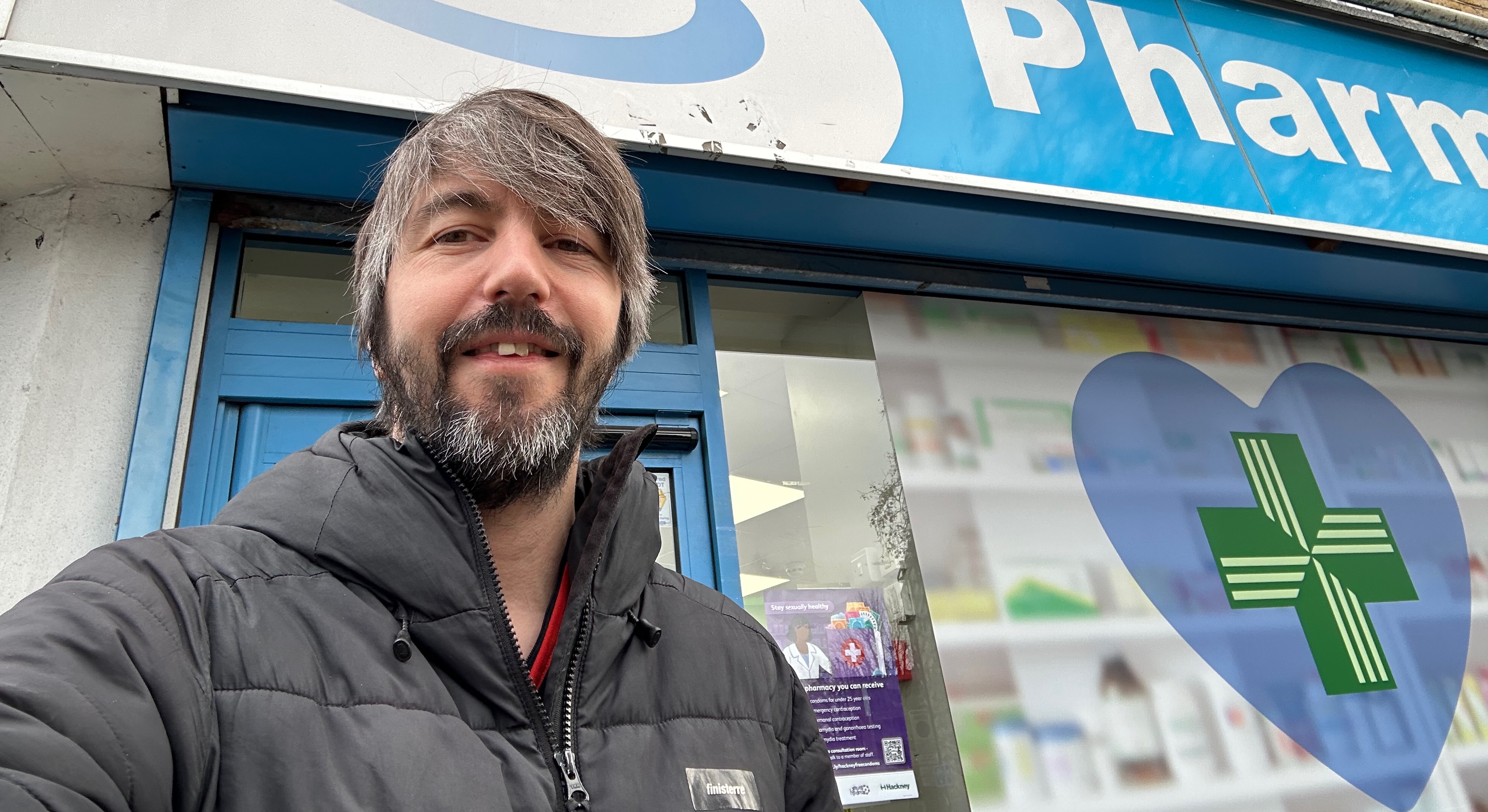
This week I took part in some research with pharmacies and enjoyed a talk from Dr Jess Morley.
Research in the snow
I spent a freezing cold Wednesday trekking around pharmacies in North London with our researcher Mark and content designer Anna. Despite the weather (we had both rain and sleet) it was invaluable to hear from some of our newest cohort of pharmacies using NHS Record a vaccination.
In general, they were very happy with the service, seeing it as a major improvement on other systems. They all started using it in October, and have been able to get on and use it with very minimal training and guidance.
That’s not to say it’s all perfect though. The most humbling thing to happen on these visits are when the pharmacists welcome you as tech support, and ask you a ‘how do I…’ question. We’re happy to help, but these encounters help reveal aspects of the service that aren’t as obvious as they should be.
We have been dual-running a new interface alongside the old one for a transitional period, in order to help de-risk the change. Despite communicating this to users both through emails and in-service content, several of the pharmacies weren’t aware of the change. A reminder of just how task-focused they are. We have some ideas on how to improve this, but product update comms remain a challenge.
Once warmed up after the visits, I wrote up my notes. Within these pages are plenty of detailed findings that will help us improve the service over the coming months.
The research reminded me again how valuable it is to get out and talk to your users where they are. Pharmacies are fascinating, varied environments, and seeing how many different digital service pharmacists have to use really puts everything in context.
AI for we not me
We had an amazing talk from Dr Jess Morley of the Yale Digital Ethics Center this week. It started out with a great primer on the different forms of AI, going beyond the buzzword. But the big pivot in the talk was a call to stop thinking about just using AI to just treat the individual, but instead to look at the bigger picture of population health.
As Jess put it, we cannot make our bodies work like computers. You don’t get a health population by improving the health of individuals. Health is connected, and so we have to target populations. There’s no point in predicting that somebody is about to develop a specific disease and telling them that what they need to do is to exercise and eat better if they live in a food desert and don’t have time to work out.
You can’t empower people just by telling them what to do if you don’t make the environment more conducive to it.
Jess argued that one of the strengths of AI models is being able to find connections that human cognition is unable to find, and this could be applied to health at a population level. It could model different types of intervention and predict the likely outcome.
There was lots of other great stuff too, but the focus on social epidemiology and the social determinants of health was fascinating. Not least because so many of our existing products and projects are individual level.
Links
- The disciplines theory of government from James Plunkett is a sketch of legacy vs contemporary disciplines in government. Rings true to me.
- The health record keeps the score from Ralph Hawkins
- Men’s Health Strategy for England was published this week. I’m waiting for the HTML version before reading it.
The kids have called it. Our Christmas tree is going up this weekend.